


Wondering about your surgical options for shoulder conditions? In this post, we’ll explore some common types of shoulder surgery, what they treat, and what to expect from the procedure.
Key Takeaways
- Shoulder arthroscopy is a minimally invasive procedure that may be recommended for various conditions and may result in reduced pain and shorter recovery times.
- Total shoulder replacement is typically suggested for advanced arthritis patients, aiming to relieve pain and restore joint function.
- Reverse shoulder replacement is often suited for those with irreparable rotator cuff tears, allowing other muscles to compensate.
Shoulder Arthroscopy
Shoulder arthroscopy is a minimally invasive surgical procedure often performed as an outpatient treatment, allowing patients to return home the same day.
The procedure generally involves the following steps:
- Making small incisions around the shoulder joint
- Inserting a tiny camera, known as an arthroscope, to visualize the inside of the joint
- Using specialized instruments to repair any damaged tissues
This type of shoulder surgery is commonly used to treat conditions such as rotator cuff tears, impingement syndrome, and frozen shoulder. It may also be effective for addressing issues like shoulder instability and repairing torn ligaments. Because arthroscopic surgery is less invasive than traditional open surgery, it may result in less pain, smaller scars, and a quicker recovery timeline.
Recovery from shoulder arthroscopy varies depending on the specific condition treated, but patients can generally expect to return to normal activities within a few weeks to a few months. Depending on the complexity and type of injury, open surgery may be the preferred option over arthroscopy. An experienced orthopedic surgeon can help guide the most appropriate treatment path.
Total Shoulder Replacement
Total shoulder replacement surgery is a procedure typically recommended for patients suffering from advanced arthritis or complex fractures. This surgery involves removing the damaged shoulder joint parts and replacing them with artificial implants that replicate the ball and socket. The primary goals are to relieve shoulder pain, enhance joint stability, and improve range of motion.
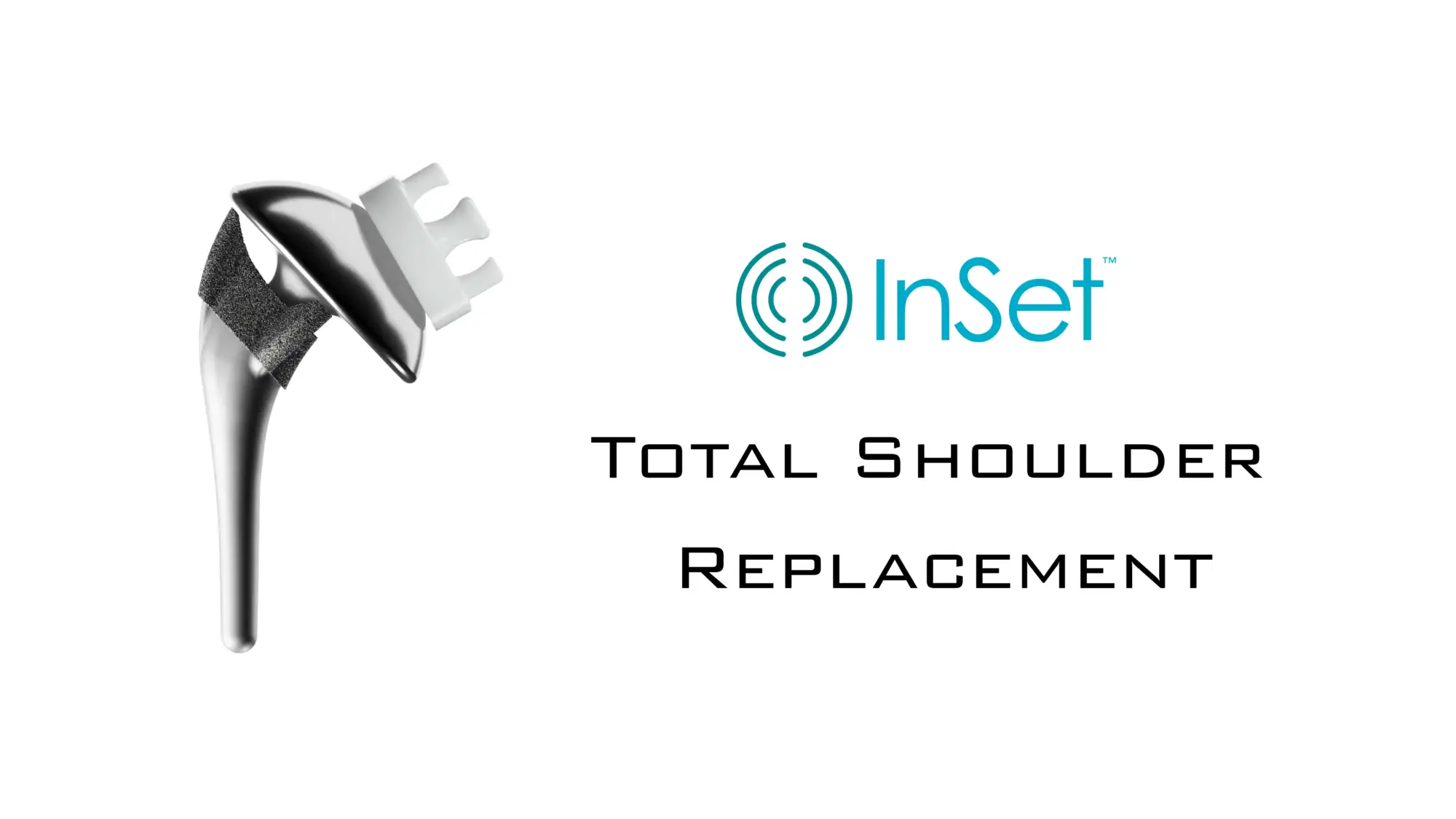
Candidates for total shoulder replacement often experience chronic pain and limited mobility due to severe arthritis or degenerative conditions. For many patients, this procedure can improve their quality of life by reducing pain and restoring function.
Recovery from total shoulder replacement surgery involves a structured rehabilitation program, including physical therapy to regain strength and motion. Patients typically wear a sling for the first four to six weeks to protect the surgical site. While recovery timelines can vary, most patients experience improvements in pain and function within a few months, with full recovery taking months to a year.
Reverse Shoulder Replacement
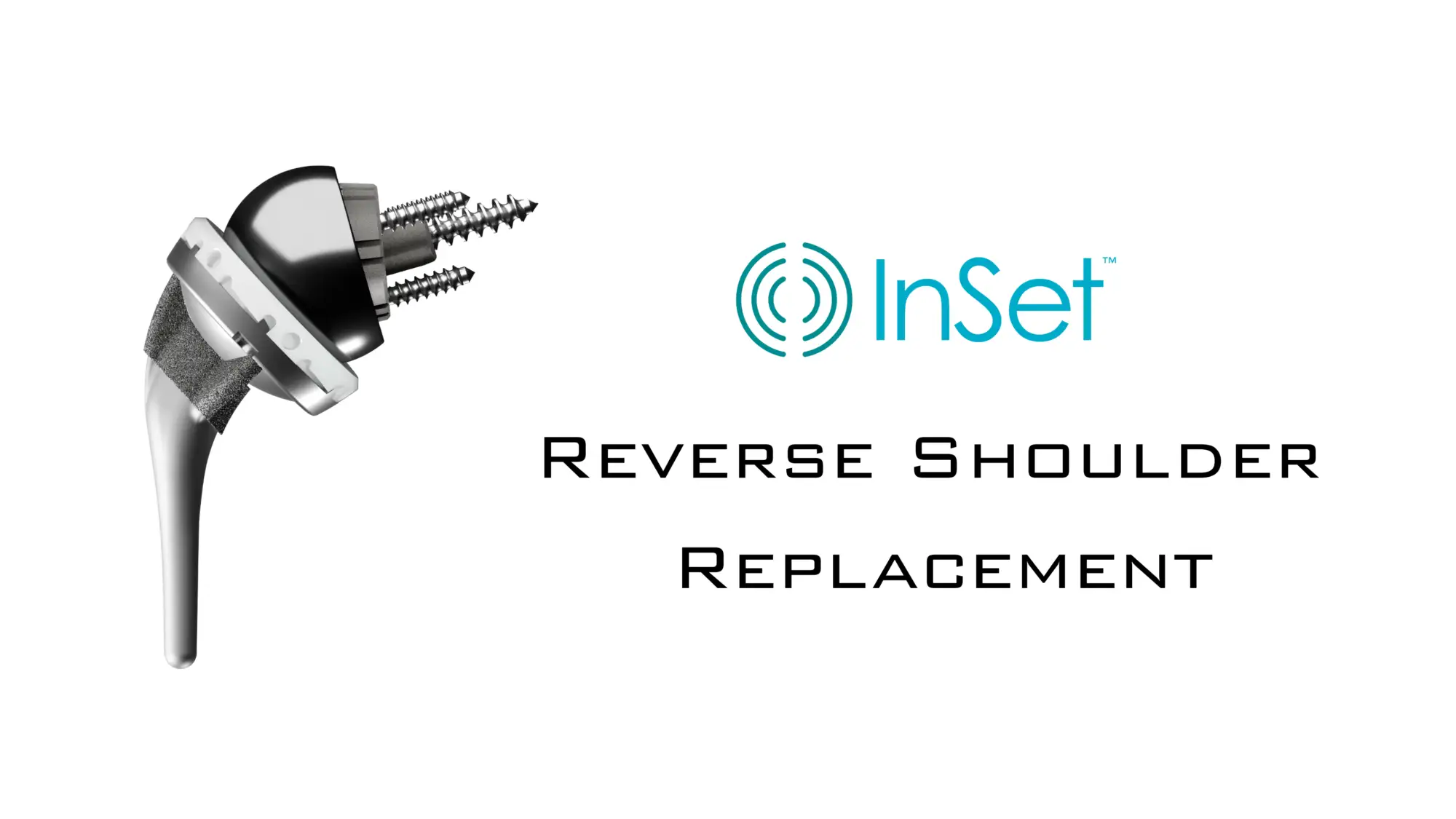
Reverse shoulder replacement is an alternative to traditional shoulder replacement, more frequently recommended for patients with irreparable rotator cuff tears. In this procedure, the positions of the ball and socket are reversed, with the ball being attached to the shoulder blade and the socket to the upper arm bone.
This alteration can allow the deltoid muscle to compensate for the damaged rotator cuff tendons, with the goal of improving shoulder stability and function. Additionally, reverse total shoulder replacement may be considered for those with significant shoulder joint damage.
Recovery from reverse shoulder replacement surgery generally involves several months of structured rehabilitation. Patients are often instructed to wear a sling for the first four to six weeks to protect the surgical repair. Physical therapy is important in the recovery process, helping to restore range of motion and strengthen the shoulder. With proper rehabilitation, many patients experience improvements in shoulder function and pain relief.
Rotator Cuff Repair Surgery
Rotator cuff repair surgery may be performed to help restore function and relieve pain in the shoulder joint after a tendon tear. The rotator cuff is a group of muscles and tendons surrounding and stabilizing the shoulder joint. When the tendons tear, often as a result of overuse or trauma, the patient may experience pain and limited mobility.
The arthroscopic method is commonly used for this procedure, involving small incisions and the insertion of a camera to visualize and repair the damaged tendons. This minimally invasive procedure can allow for precise repairs with less trauma to the surrounding tissues. During the surgery, torn tendons are usually reattached to the bone, and any damaged tissues may be replaced or grafted.
The recovery process after rotator cuff repair surgery may take around six months. Initially, patients may need to wear a sling for four to six weeks to protect the surgical repair.
Physical therapy plays a key role in the recovery process, helping to restore range of motion and strengthen the shoulder. Strength training is gradually introduced to assist in regaining shoulder function. Patients are provided with specific post-operative care instructions to support a smooth recovery.
SLAP Tear Repair
SLAP tear repair surgery is designed to address tears in the superior labrum, a ring of cartilage that surrounds the shoulder socket and serves as an attachment point for the biceps tendon. This tear can result from injury or overuse and often leads to pain and instability in the shoulder joint.
If conservative treatments fail to alleviate symptoms, SLAP tear repair surgery may be recommended to help restore shoulder stability and function. This is typically done using arthroscopic techniques.
Recovery from SLAP tear repair surgery can take several months to a little over a year, depending on the severity of the tear. Physical therapy typically begins with gentle range of motion exercises and gradually progresses to strengthening activities and various treatment options. Patients are advised to follow their rehabilitation plan closely to ensure optimal healing.
Summary
Shoulder surgeries, including shoulder arthroscopy, total and reverse shoulder replacements, rotator cuff repair, and SLAP tear repair, are valuable options for those suffering from shoulder pain and dysfunction. Each procedure is tailored to address specific conditions, from rotator cuff tears to advanced arthritis.
The benefits of these surgeries extend beyond pain relief, aiming to improve shoulder stability, range of motion, and overall function. Whether it’s a minimally invasive arthroscopic procedure or a shoulder replacement, these surgeries can enhance the quality of life for many patients.
If you’re experiencing shoulder pain or considering shoulder surgery, consider consulting with a shoulder specialist to explore your options. Understanding the different types of shoulder surgeries and what they entail can help you make informed decisions about your health and recovery.
Frequently Asked Questions
What initial treatments are recommended for shoulder arthritis?
Initial treatments for shoulder arthritis typically include non-surgical options such as physical therapy and activity modifications to help alleviate pain and improve function.
What is the purpose of physical therapy after shoulder replacement surgery?
The primary purpose of physical therapy after shoulder replacement surgery is to help restore strength and improve range of motion in the shoulder, supporting optimal recovery and function.
How long will I need to wear a sling after shoulder surgery?
The length of sling use depends on the type of surgery and the extent of repair. For example, total and reverse shoulder replacement patients often wear a sling for four to six weeks, while others may need one for a shorter period. Your surgeon will provide a specific timeline.
When can I return to work or sports after shoulder surgery?
Recovery timelines vary. Some patients return to desk jobs within a few weeks, while physically demanding jobs or sports may require several months of rehabilitation. Clearance depends on your healing progress and your surgeon’s guidance.