


Shoulder pain is one of the most common musculoskeletal complaints, affecting people of all ages — from athletes and active adults to those simply dealing with age-related wear and tear. Because the shoulder is one of the most mobile joints in the body, many different structures can become irritated or injured.
For patients experiencing shoulder discomfort, understanding the underlying cause is an important first step toward effective treatment and recovery. In this guide, we’ll review the primary causes of shoulder joint pain, how doctors diagnose shoulder problems, and the full spectrum of modern treatment options, from conservative care to advanced surgical solutions.
Key Takeaways
- The shoulder is a complex ball-and-socket joint made of three bones and an intricate network of muscles, tendons, and ligaments.
- Common causes of shoulder pain include rotator cuff tears, tendinitis, bursitis, instability, arthritis, and fractures.
- Many shoulder conditions improve with non-surgical treatment such as activity modification, anti-inflammatory medication, and physical therapy.
- Surgery is typically reserved for severe injuries, advanced arthritis, or cases that do not improve with conservative care.
Understanding the Anatomy of the Shoulder Joint
The shoulder is not a single joint but a complex system of articulations, primarily:
- The glenohumeral joint (the main ball-and-socket joint)
- The acromioclavicular (AC) joint
Three bones form the framework of the shoulder:
- Humerus (upper arm bone)
- Scapula (shoulder blade)
- Clavicle (collarbone)
The Soft Tissues That Keep the Shoulder Working
The shoulder’s remarkable mobility relies heavily on surrounding soft tissues:
- The Rotator Cuff: Four muscles and tendons that stabilize the shoulder and control rotation and lifting.
- The Labrum: A ring of cartilage that deepens the socket and improves stability.
- Joint Capsule and Ligaments: Static stabilizers that hold the joint together.
- The Bursa: A fluid-filled sac that reduces friction between tendons and bone.
When any of these structures become inflamed, torn, or worn down, pain, weakness, and stiffness can develop.
Primary Causes of Shoulder Joint Pain
Shoulder pain generally falls into two broad categories:
- Soft tissue problems (tendons, bursa, labrum)
- Joint or bone problems (cartilage wear, arthritis, fractures)
Below are the most common causes.
Rotator Cuff and Tendon Pathology
The rotator cuff is one of the most frequent sources of shoulder pain.
Shoulder Impingement Syndrome (Subacromial Impingement)
Impingement occurs when the rotator cuff tendons and bursa become compressed beneath the acromion. Repetitive overhead motions, such as throwing, swimming, or painting, may contribute, as can bone spurs or inflammation.
Common symptoms include:
- Pain with overhead activity
- Discomfort reaching behind the back
- Night pain, especially when lying on the affected side
Chronic impingement can eventually weaken the rotator cuff and increase the risk of tearing.
Rotator Cuff Tears
A rotator cuff tear involves partial or complete separation of a tendon from the humerus.
- Partial tears: Often respond to non-surgical care
- Full-thickness tears: May require surgical repair depending on symptoms and activity level
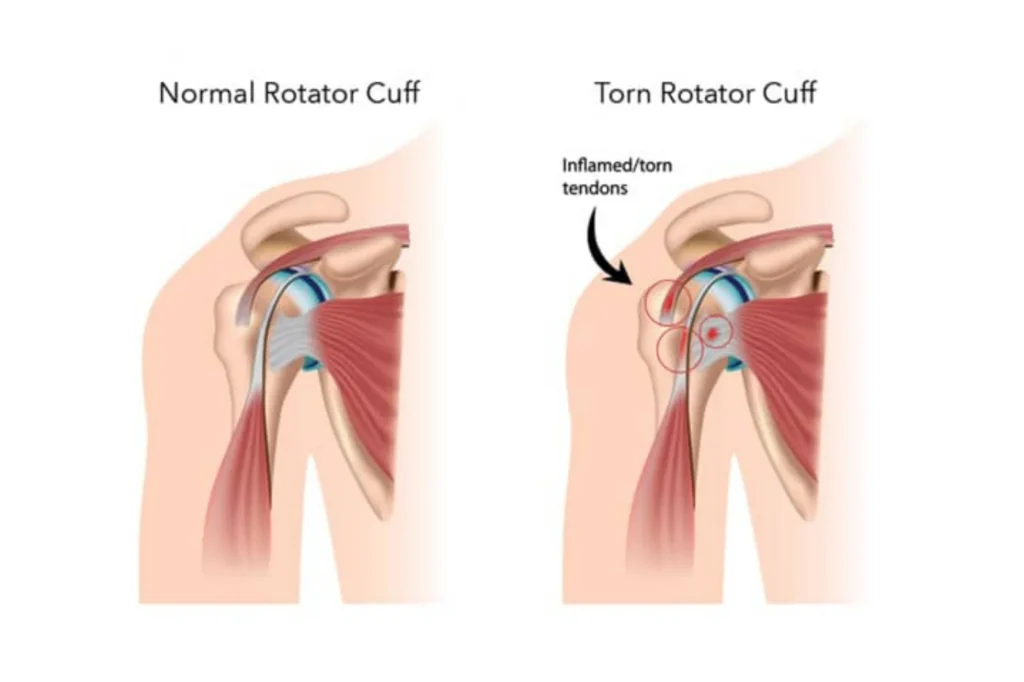
Symptoms may include:
- Pain along the side of the arm
- Weakness with lifting
- Catching or popping sensations
- Severe night pain
Tears can result from trauma but often develop gradually over time due to degeneration.
Calcific Tendinitis
Calcific tendinitis occurs when calcium deposits form within rotator cuff tendons. While sometimes painless, flare-ups may cause sudden, severe pain and significant loss of motion.
Shoulder Instability and Labral Tears
Instability occurs when the shoulder no longer stays securely centered in the socket.
Shoulder Dislocation and Subluxation
- Dislocation: The ball completely exits the socket
- Subluxation: Partial slipping that self-reduces
These injuries often occur during sports or falls and can lead to recurrent instability.
Labral Tears (SLAP and Bankart Lesions)
The labrum may tear due to trauma, dislocation, or repetitive overhead activity.
- Bankart lesion: Tear of the lower labrum, commonly linked with dislocation
- SLAP tear: Injury to the upper labrum involving the biceps anchor
Symptoms often include:
- Deep joint pain
- Catching or grinding sensations
- Feeling that the shoulder may slip out
Arthritis and Joint Degeneration
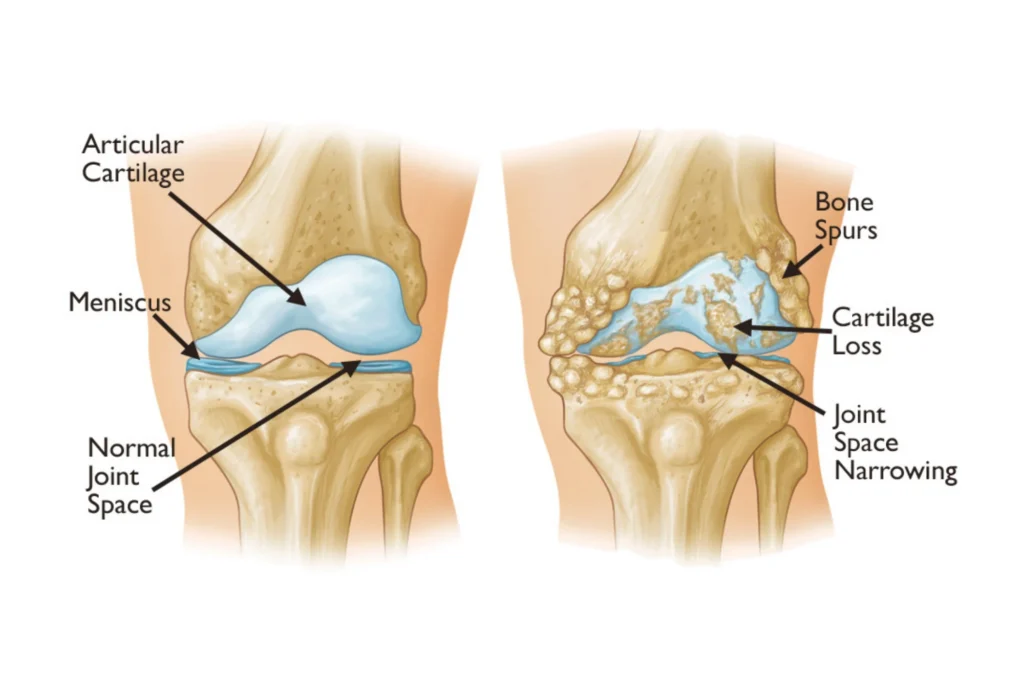
Arthritis causes breakdown of cartilage that cushions the joint surfaces.
Osteoarthritis (OA)
Often called “wear-and-tear arthritis,” osteoarthritis usually develops after age 50 or following previous injuries.
Typical symptoms include:
- Deep, aching joint pain
- Progressive stiffness
- Loss of range of motion
- Grinding or clicking sensations
Rheumatoid Arthritis (RA)
Rheumatoid arthritis is an autoimmune condition that may affect both shoulders. Symptoms frequently include morning stiffness, swelling, and warmth.
Rotator Cuff Tear Arthropathy
This severe condition occurs when a massive rotator cuff tear leads to abnormal joint mechanics and rapid arthritis progression. Patients often experience profound weakness and inability to lift the arm.
Other Causes of Shoulder Pain
Adhesive Capsulitis (Frozen Shoulder)
Frozen shoulder occurs when the joint capsule thickens and tightens, leading to progressive stiffness and pain through freezing, frozen, and thawing stages.
AC Joint Arthritis or Separation
Pain at the top of the shoulder may come from arthritis or injury where the clavicle meets the scapula.
Biceps Tendinitis or Tear
Inflammation or rupture of the long head of the biceps tendon may cause front shoulder pain or a visible “Popeye” bulge.
Referred Pain
Not all shoulder pain originates in the shoulder. Conditions in the cervical spine (neck) may refer pain into the shoulder region.
How Shoulder Pain Is Diagnosed
Diagnosis begins with a thorough medical history and physical examination. Your physician will evaluate:
- Location and timing of pain
- Range of motion and strength
- Joint stability
- Specific provocative tests
Imaging studies may include:
- X-rays to evaluate bone and arthritis
- MRI to assess tendons, cartilage, and labrum
- Ultrasound for dynamic tendon evaluation
Modern Treatment Strategies for Shoulder Pain
An experienced shoulder specialist can evaluate the condition and help guide the most appropriate treatment strategy. Treatment is tailored to the specific diagnosis, severity, activity level, and patient goals.
Conservative (Non-Surgical) Treatment
Many shoulder conditions improve without surgery. Non-operative care may include:
- Activity modification and relative rest
- NSAIDs to reduce inflammation
- Corticosteroid injections for temporary relief
- Physical therapy to restore motion and strengthen supporting muscles
A structured therapy program is often the cornerstone of successful recovery.
Surgical Treatment
Surgery may be recommended for severe injuries or persistent symptoms despite conservative care.
- Arthroscopy: Minimally invasive surgery using small incisions
- Open surgery: Reserved for complex cases
For advanced arthritis:
- Anatomic Total Shoulder Arthroplasty: Used when the rotator cuff remains intact
- Reverse Total Shoulder Arthroplasty: Designed for rotator cuff tear arthropathy or complex fractures, allowing the deltoid muscle to power the shoulder
Preventing Shoulder Problems and Supporting Long-Term Joint Health
Although not all shoulder conditions are preventable, these steps can reduce risk:
- Maintain rotator cuff and scapular strength
- Practice good posture and ergonomics
- Gradually increase activity levels
- Warm up before exercise and stretch afterward
- Listen to early warning signs of pain
Early evaluation often prevents small problems from becoming larger injuries.
When Should You See a Shoulder Specialist?
Consider seeing a shoulder specialist if:
- Pain persists for more than a few weeks
- You have night pain that disrupts sleep
- Weakness or loss of motion is worsening
- The shoulder feels unstable or “slips out”
- Symptoms interfere with work, sports, or daily activities
Early diagnosis allows for more treatment options and often leads to better outcomes.
Summary
Shoulder joint pain is common, but in many cases it is highly treatable. Whether the cause is tendon irritation, instability, arthritis, or traumatic injury, modern orthopedic care offers effective paths to relief. Accurate diagnosis and timely treatment can restore motion, reduce pain, and help patients return to the activities they enjoy.
Frequently Asked Questions
Is shoulder pain always a rotator cuff tear?
No. Shoulder pain can also result from tendinitis, bursitis, impingement, arthritis, instability, or problems outside the shoulder such as the neck. Imaging and physical examination help determine the true cause.
Can rotator cuff tears heal without surgery?
Many partial tears — and even some full-thickness tears — can be managed successfully with physical therapy and activity modification. Surgery is typically considered when weakness persists or conservative treatment fails.
What is the difference between anatomic and reverse shoulder replacement?
Anatomic shoulder replacement preserves normal shoulder anatomy with the ball on the humerus and socket on the shoulder blade. Reverse shoulder replacement switches the ball and socket positions, allowing the deltoid muscle to compensate when the rotator cuff no longer functions adequately.