


If you’re considering reverse shoulder replacement, one of the most common questions is: What will recovery look like?
The good news is that recovery today is often smoother and faster than many patients expect. Advances in surgical technique, implant design, anesthesia, and rehabilitation protocols have made reverse shoulder arthroplasty a highly successful procedure with predictable outcomes and a clear recovery timeline.
This guide walks you through what to expect after surgery, from the day of surgery to returning to sports and daily life.
Understanding Reverse Shoulder Replacement
Reverse shoulder replacement (reverse shoulder arthroplasty) is a specialized type of shoulder replacement designed for patients with severe shoulder arthritis, large rotator cuff tears, or complex shoulder problems.
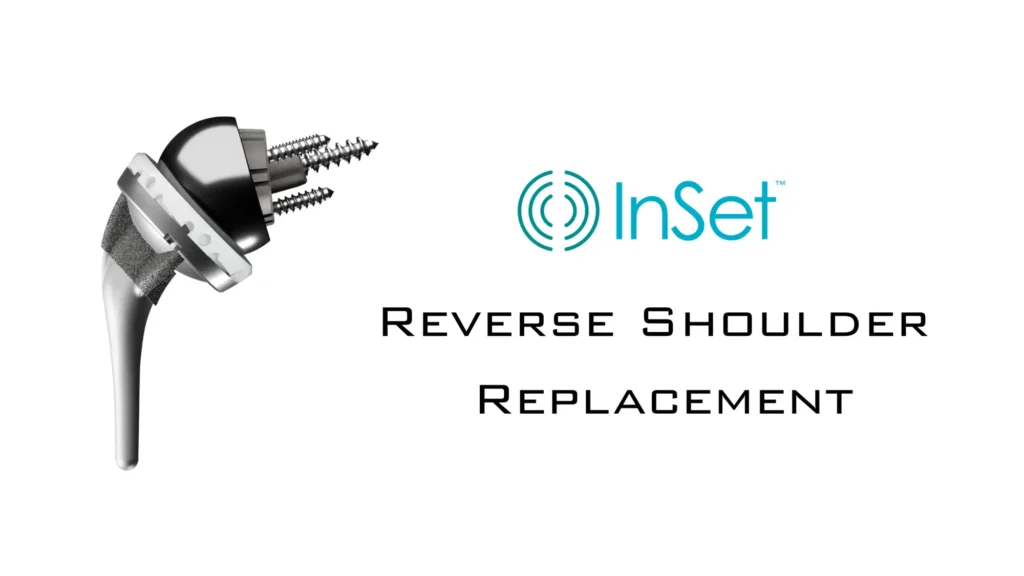
Unlike traditional shoulder replacement, the ball and socket are reversed: the metal ball is attached to the shoulder blade, and the socket is placed on the upper arm bone.
This design allows the deltoid muscle — rather than the damaged rotator cuff — to power the shoulder, helping restore movement, improve strength, and reduce pain.
Today, reverse shoulder replacement has become the most common type of shoulder replacement performed, accounting for roughly 70% of shoulder replacements, largely because of its excellent reliability and broad range of applications.
The Day of Surgery: What Most Patients Experience
Most patients are pleasantly surprised by how streamlined the process is.
- Most patients go home the same day after surgery.
- The procedure can be safely performed at either a surgery center or a hospital, depending on individual factors.
- A nerve block is commonly used to provide excellent pain control immediately after surgery.
- We emphasize multimodal pain control and work to minimize the need for narcotics whenever possible.
After surgery, you’ll spend time in recovery while your vital signs and comfort are monitored. Once pain is well controlled and you are medically stable, you can typically return home the same day with assistance from family or friends.
Managing Pain After Surgery
Pain management is an important part of a smooth recovery. Most patients experience manageable discomfort rather than severe pain.
Your pain plan usually includes:
- Long-acting regional nerve block for early pain relief
- Ice therapy to reduce swelling and discomfort
- A combination of non-narcotic medications
- Limited use of prescription pain medication when needed
Many patients find they need fewer narcotics than expected due to modern anesthesia techniques and shoulder-specific protocols.
Sling Use: What to Expect
Traditionally, patients were placed in a sling for four to six weeks. Current evidence and modern recovery protocols have evolved.
My typical approach:
- Sling full-time for the first 2 weeks
- Begin gradually weaning from the sling after 2 weeks
- Use the sling primarily for comfort or in crowded situations
Interestingly, recent studies have challenged whether prolonged sling use is necessary after reverse shoulder replacement. The goal is protection early on while still allowing safe movement to avoid stiffness.
Physical Therapy and Rehabilitation
Physical therapy is one of the most important components of recovery, but that doesn’t always mean formal therapy visits multiple times per week.
Approximately 70% of my patients complete their rehabilitation successfully at home, following structured guidance and exercises provided by our team.
Typical progression:
First 2 Weeks
- Rest, healing, and gentle motion
- Focus on swelling and pain control
Around 2 Weeks
- Begin gentle stretching and range-of-motion exercises
- Gradually increase daily use of the arm
Around 6 Weeks
- Transition to more active and progressive strengthening exercises
- Increase functional movement and endurance
Whether done at home or with a physical therapist, consistency is key.
Recovery Milestones: Realistic Expectations
Every patient recovers a little differently, but most follow a predictable timeline.
By 3 months:
- Goal is comfortable overhead motion, often described as being able to give a confident high five
- Significant pain relief for most patients
- Daily activities become much easier
Around 3–4 months:
- Many patients begin returning to sports or recreational activities
- Progression is based on comfort and strength rather than strict limitations
Beyond 4 months:
- Continue building strength and endurance
- Activities increase as tolerated
Most patients feel significantly better by 3–6 months, but it’s important to understand that improvement continues gradually for up to one year after surgery as strength, motion, and confidence continue to improve.
One of the biggest advantages of reverse shoulder replacement is that there are generally no permanent restrictions once healing is complete.
Home Care Tips During Recovery
A few simple adjustments can make recovery easier:
- Keep your incision clean and dry.
- Expect mild swelling or soreness for a few weeks.
- Avoid heavy lifting early in recovery.
- Arrange frequently used items within easy reach.
- Accept help from family or friends during the first several days.
These small changes help you stay safe while healing progresses.
Outcomes and Long-Term Benefits
Modern reverse shoulder replacement has excellent outcomes and continues to improve as implant designs and surgical techniques evolve.
Most patients experience meaningful improvements in:
- Range of motion
- Pain relief
- Strength
- Shoulder function
- Overall quality of life
It’s important to recognize that many of the older concerns or negative perceptions surrounding reverse shoulder arthroplasty were based on early implant designs and early clinical experiences. Over time, major advances in technology, surgical technique, and patient selection have dramatically changed outcomes.
Today, reverse shoulder replacement is considered one of the most reliable and successful procedures in shoulder surgery, helping patients return to activities they previously thought they had lost permanently.
What Patients Worry About Most (And What I Tell Them)
It’s normal to feel some anxiety before shoulder replacement surgery. These are the most common concerns patients bring up — and what current experience and data show.
“Will the surgery hurt?”
Most patients receive a nerve block that significantly reduces pain immediately after surgery. With modern pain protocols, many patients use far less narcotic medication than they expected.
“Will I be stuck in a sling for months?”
Not usually. While older protocols recommended prolonged immobilization, many patients now wear a sling full-time for only about two weeks before gradually weaning.
“Do I have to go to physical therapy multiple times per week?”
Not necessarily. About 70% of my patients complete rehabilitation successfully with a structured home program guided by our team.
“Will I ever use my shoulder normally again?”
Most patients regain meaningful motion and function — often more than they expected — and return to everyday activities, exercise, and recreational sports.
“I’ve heard mixed things about reverse shoulder replacement.”
Many older opinions came from early implant designs and early outcomes. Modern reverse shoulder replacement has evolved dramatically and now delivers highly reliable results with excellent patient satisfaction.
My Recovery Philosophy: Modern vs Traditional Protocols
Recovery after reverse shoulder replacement has changed significantly over the last decade.
Traditional protocols often emphasized long periods of immobilization and slower progression. Current evidence supports a more balanced approach:
- Early protection but earlier safe motion
- Shorter sling use when appropriate
- Structured but practical rehabilitation
- Emphasis on patient independence and home-based recovery
- Minimizing narcotic use whenever possible
The goal is to protect healing while allowing movement early enough to prevent stiffness and restore confidence.
Why Reverse Shoulder Replacement Has Become So Common
Reverse shoulder arthroplasty now accounts for roughly 70% of shoulder replacements performed today — and for good reason.
Advances in implant design, biomechanics, and surgical technique have transformed the procedure into one of the most dependable operations in shoulder surgery.
Modern outcomes consistently show improvements in:
- Range of motion
- Pain relief
- Strength
- Shoulder function
- Overall quality of life
Many of the negative perceptions associated with reverse shoulder replacement were rooted in early designs and early surgical experience. Those limitations have largely been overcome, making today’s procedures highly successful and predictable.
Final Thoughts
Reverse shoulder replacement is designed to help patients return to a more active, functional, and comfortable life. Most people go home the same day, follow a clear recovery roadmap, and continue improving for up to one year after surgery. An experienced shoulder specialist can help you determine if you are a good candidate for a reverse shoulder replacement.
With modern pain control strategies, early motion, and a focused rehabilitation program — often done at home — many patients can return to active, unrestricted lifestyles with excellent outcomes.
Frequently Asked Questions
How long does full recovery take?
Most patients feel significant improvement by 3 months, with continued gains up to 6–12 months.
Will I go home the same day?
Yes, most patients go home the same day, whether surgery is performed in a surgery center or hospital.
How long do I need to wear the sling?
Typically full-time for 2 weeks, then gradually wean from it. Some newer studies suggest prolonged sling use may not be necessary.
Do I have to go to physical therapy?
Not always. About 70% of my patients complete therapy successfully at home with guided exercises from our team.
When can I return to sports?
Many patients begin returning to sports between 3 and 4 months, increasing activity as tolerated.